
Victoria Beckham: ‘I Finally Feel Good Enough’


Victoria Beckham is using a new, unflinching interview to knit together every era of her life – bullied schoolgirl, Posh Spice, Wag, fashion CEO and mother of four – into a single, unapologetically ambitious story about female reinvention and finally feeling “good enough” at 51.
From bullied misfit to global pop icon
Victoria recalls growing up a shy, awkward eldest child in suburban London, bullied so badly that classmates threw cans at her and teachers wrote her off as “thick” rather than recognising undiagnosed dyslexia and discalculia. She says the cruelty, combined with acne, body changes and a diagnosis of polycystic ovaries as a teen, toughened her for the “public bullying” that would later come from the media’s obsession with her weight and looks.
It gave me a thick skin… it prepared me for what was coming next.
Girl power, Posh and David
After hustling through endless auditions, Victoria landed in the Spice Girls, a band she describes as “five misfits” who weren’t individually exceptional but became unstoppable together and lived out her fantasy of going from bullied outsider to the most popular girl overnight. She insists the famous Posh, Baby, Scary, Sporty and Ginger personas were not manager‑built gimmicks but their real tastes and styles, and says the “not smiling” Posh face began as insecurity before becoming an alter ego she fully owned.
Meeting David Beckham came just as Spice mania peaked, with Victoria admitting she went to a Manchester United game mainly to meet the “sticker boy” she’d already spotted in football merch and was instantly drawn to his family‑first energy. Early dates were secretly spent talking for hours in parked cars on her parents’ orders to stay private, and she says his total lack of intimidation by her fame set the tone for a partnership that would later “ride the storm” of intense press scrutiny and marriage speculation.
We were five misfits told we weren’t good enough – together we were something.
WAG era, body image and eating disorders
Victoria is surprisingly candid about her headline‑making WAG years, saying the huge boobs, micro‑minis and high‑octane shopping trips were both fun and a way to stay “relevant” when she’d lost a creative outlet after Spice Girls and moved to Manchester as a young mum. She links that period to a long, painful struggle with food and body image, from being called both “porky Posh” and “skeletal Posh” in tabloids to being weighed on live TV just six months after giving birth, experiences she now recognises as traumatic and destabilising.
She says she never confided in anyone at the time and became “very good at lying,” eventually clawing her way back by turning an unhealthy obsession into a disciplined, balanced routine built around strength training – encouraged by David – and a more forgiving attitude to food. Now, she talks openly about it with daughter Harper and hopes sharing the story will push media and social platforms to be more accountable for how they speak about women’s bodies.
I didn’t know what I was seeing when I looked in the mirror… it takes over everything.
Building – and almost breaking – a fashion empire
Fashion, which started with customising school uniforms and hogging the Spice Girls’ stage‑wear budget for Tom Ford Gucci, became Beckham’s second act after designer Roland Mouret mentored her and bluntly told her “the big boobs have to go” if she wanted to be taken seriously. She admits she deliberately muted the Posh persona, simplified her image and let the clothes speak, determined to prove this was not a vanity project but a brand built on product she refuses to release unless it is “best in class,” whether a tuxedo jacket, jeans or eyeliner.
Behind the scenes, though, she reveals the business was losing millions because she and a music‑world team “didn’t know better” and some staff were scared to tell her no, leading to overspending even as collections sold out and reviews glowed. She eventually turned to David for financial help, only learning in the documentary’s final scene that he had been propping up the label at a level they “couldn’t really afford,” and now takes pride in the fashion arm being independently profitable after years of painful restructuring.
I’ve spent a long time fixing… now I can build the house I always dreamed of.
Marriage, motherhood and the fight for women’s ambition
Celebrating 26 years of marriage, Victoria says the couple have “ridden the damn storm” together through tabloid feeding frenzies, parenting four children and constant commentary about their relationship, choosing communication and humour over public rebuttals. She describes David as the more romantic “gifts” love‑language partner to her “words of affirmation,” laughs about his snoring and obsession with punctuality, and paints a cosy picture of their ideal night as a glass of wine in his beloved vegetable patch.
We’ve ridden the damn storm together.
As a mother, she is fiercely protective of her children – particularly Harper, shielded by three older brothers – and calls for the world to “give the kids a chance” instead of reducing them to “nepo babies,” stressing that all four work hard and don’t expect shortcuts. She also speaks directly to mothers who feel guilty for wanting more than home life, admitting she felt ashamed when early motherhood left her unfulfilled and urging women to return to work if they can, both for their own identity and to model ambition.
It’s not their fault they’re the children of famous parents – just give the kids a chance.
Owning Posh – and her power – at 51
Victoria says the Netflix documentary forced her to surrender control, reflect instead of just “dreaming bigger,” and reconcile every version of herself – including the morose, bullied schoolgirl she once overheard adults mocking. She now embraces Posh Spice with genuine affection, crediting the group with transforming her self‑worth and inspiring generations of girls, and jokes that at 5’4″ she survives on optical illusions like her Alina jeans and still‑beloved catsuits.
Most importantly, she calls out the double standard that applauds male billionaires for endless expansion while asking women why they “keep going.” At 51, she says she finally feels “good enough” despite decades of being told otherwise – and has no intention of slowing down.
Why is it bad to be ambitious? I love this. I can be a mother and I can have a career.
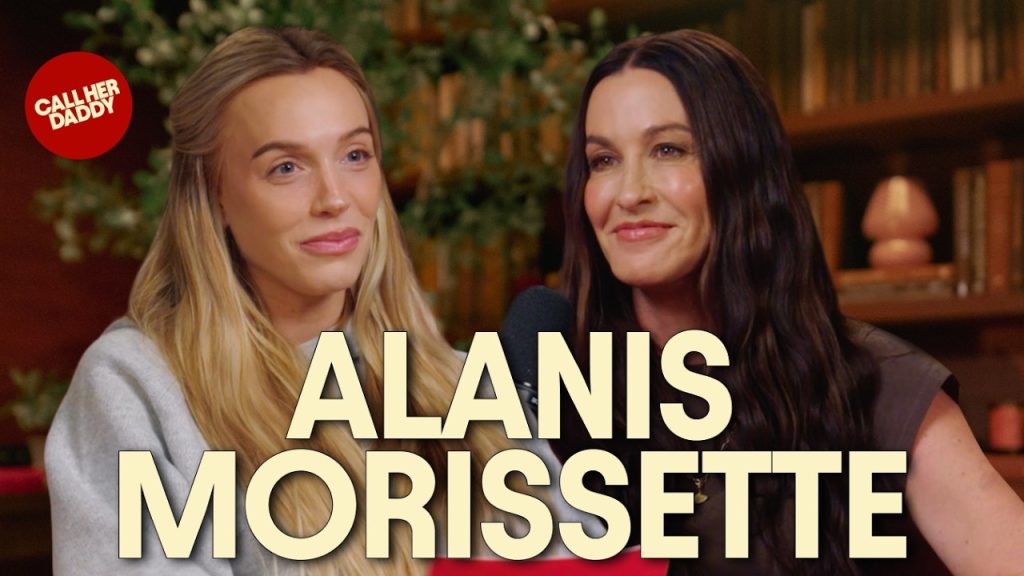
This recap is based on Victoria Beckham’s appearance on the Call Her Daddy podcast. For the full episode, click on the YouTube link at the top or listen wherever you get your podcasts.