Rachel Zoe on Divorce, Building a Fashion Empire, and Why Single Motherhood Feels Easier

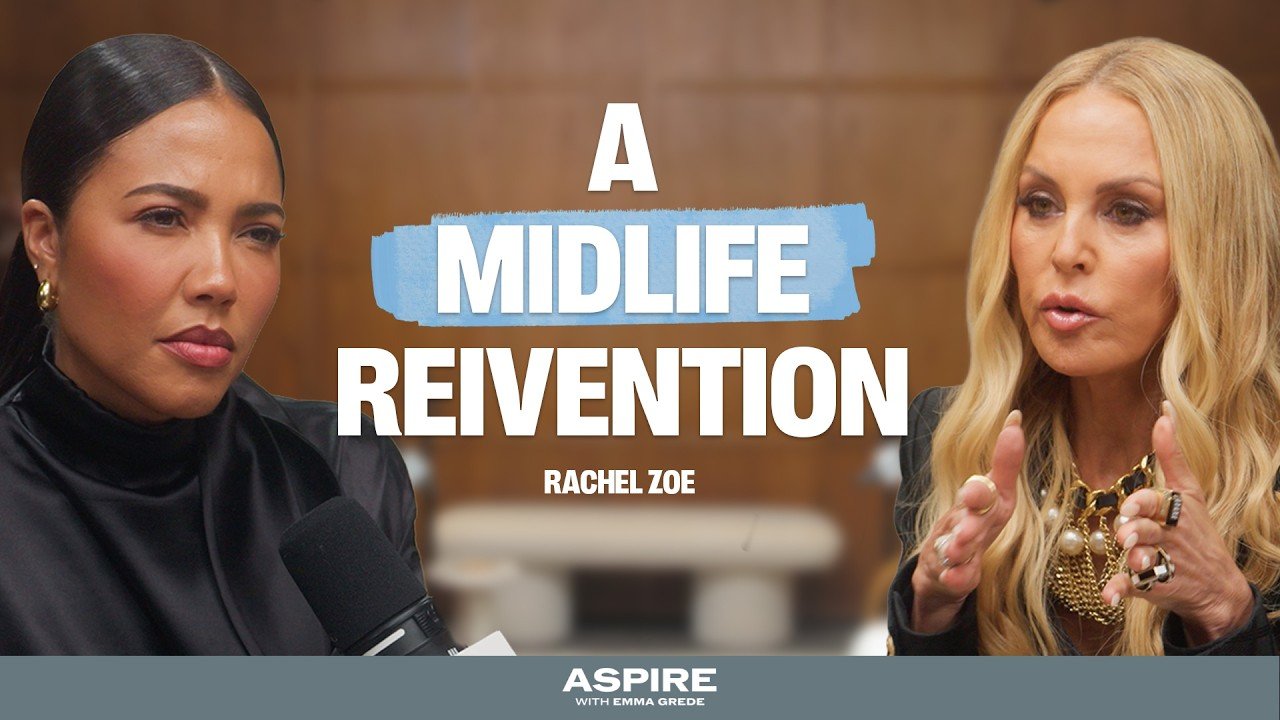
Rachel Zoe spent years building a career around helping other women feel confident. Now, she says she finally feels fully in her own power.
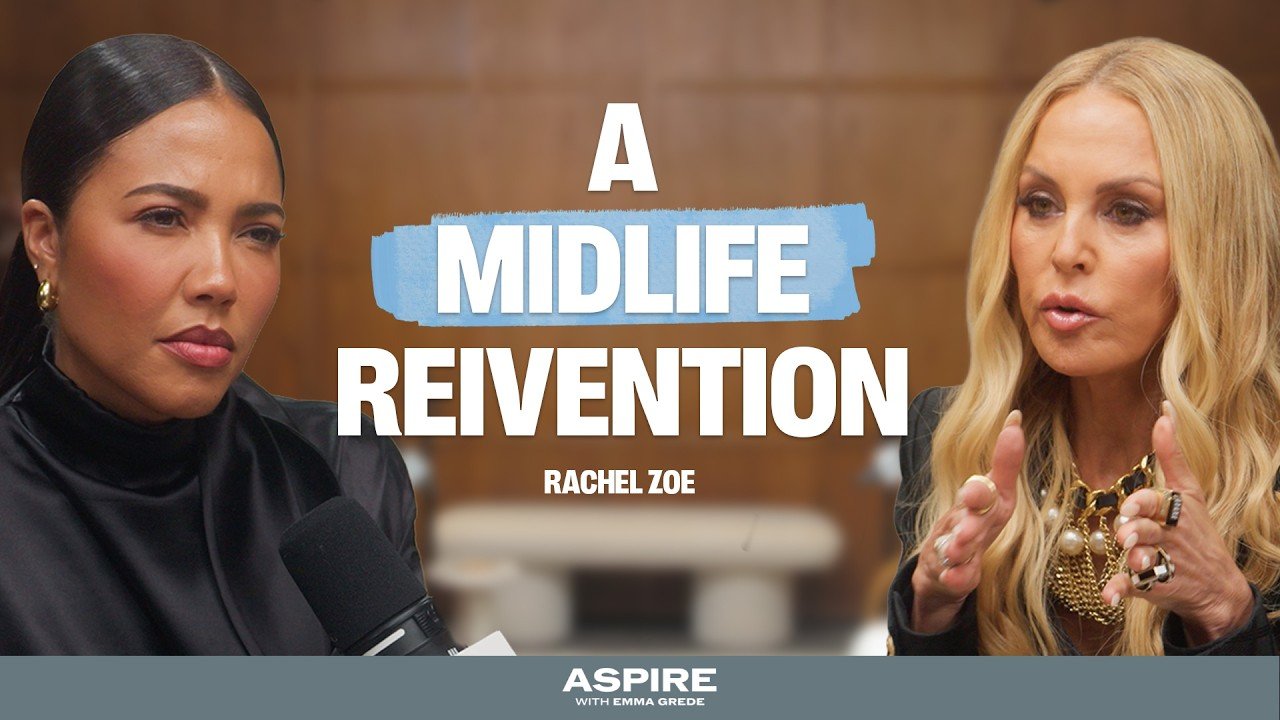
Speaking with Emma Grede on the Aspire podcast, the stylist-turned-entrepreneur reflects on the work that made her famous, the businesses that grew around her name, and the complications of sharing a marriage and a company with the same person. The conversation moves from early fashion jobs and celebrity clients to selling The Zoe Report, separating from her husband and business partner Roger, and returning to reality television.
The thread connecting it all is freedom: choosing who surrounds her, understanding the money she earns, and deciding what comes next without negotiating every part of her life with someone else.
The decisions I make are mine. The people around me I have are by choice, my choice, and no one else’s.
From a $23,000 Salary to a Freelance Leap
Zoe did not study fashion. She studied psychology and sociology, imagining she might become a child psychiatrist before realizing she had no appetite for more years of school.
Instead, a connection led to a fashion assistant position at YM magazine. On her first day, she remembers calling her father and saying she would do the job for free.
The pay was modest enough to make that sentiment feel close to reality. She says she left the magazine earning $23,000 a year.
A music-video job changed her understanding of what was possible. Zoe recalls helping her boss on Britney Spears’s “…Baby One More Time” video and earning more from that assignment than she made in a year.
Going freelance still meant stepping into uncertainty. She remembers sitting on her apartment floor, sorting receipts and crying, without another job lined up. An early opportunity from Tommy Hilfiger brought both a breakthrough and the fear that getting it wrong could end her career before it started.
That pressure became part of her working method: approach every assignment as though the next one depended on it.
Every job was like the first and I treated it that way.
Becoming the Brand Was Never the Plan
Zoe describes her public profile as something that developed around the work rather than a strategy she set out to execute.
As she worked with established actors and younger celebrities, photographers and fashion coverage began paying attention to the person behind their clothes. Brands then approached her for recommendations, curated selections, and opportunities beyond styling.
She found herself being asked not only what women should wear, but how they should furnish a table or approach their lives.
For Zoe, the opportunity was to make fashion less intimidating. She says she never wanted to build something elitist or untouchable. The ambition was to translate an exclusive industry into choices women could actually use.
Her explanation also challenges the idea that a personal brand must come first. In her telling, the reputation, client relationships, and work existed before the wider commercial identity.
I never intended to build a brand. I just worked.
The Work Ethic That Built Her Career Also Had Limits
Zoe’s version of preparation was rarely restrained. If a client hired her for five looks, she brought far more. If a commercial required a white T-shirt, she wanted enough options to anticipate whatever might happen on set.
If I was hired for five looks, I did 45.
But that personal investment made styling difficult to expand. Clients wanted her physically present, particularly during awards season, and there were only so many places she could be.
She also describes painful breakdowns in trust with some former assistants, including allegations of theft. These are her accounts of those experiences; the conversation does not establish individual cases.
Looking back, Zoe recognizes another problem: she had almost no boundary between her professional and personal lives. Her team and clients became her social world because work occupied so much of her time.
She still rejects the idea that kindness prevents success. What has changed is her willingness to recognize warning signs and limit access.
You have to think long and hard before you give someone keys to the kingdom.
Selling The Zoe Report Meant Knowing When to Let Go
The conversation turns to The Zoe Report, which Emma describes as growing from a daily email launched in 2009 into a business with two million email subscribers and 14 million monthly users before its 2018 sale.
Zoe says selling to Bustle Digital Group gave the publication resources and dedicated support beyond what her smaller team could provide. She remained a shareholder and says she has returned to a more involved role as editor-at-large.
Her approach to an exit is not simply about walking away. It is about recognizing when a business still has room to grow, but needs a different organization to take it there.
One of the signs of being a good entrepreneur is knowing when you’ve done what you can do and when it’s time to let something fly on its own in someone else’s hands.
Taking cash out matters to her, too. She describes preferring a smaller stake in something with strong prospects over retaining complete ownership without knowing where it will go.
The same thinking informs her broader brand: stay close to the creative direction, messaging, and product identity, while allowing partners to contribute expertise and infrastructure she cannot supply alone.
Why She Regrets Going Into Business With Her Husband
The interview becomes more personal when Emma asks about Roger’s role in the company.
Zoe immediately clarifies that he was her business partner, not her manager. She credits him with the idea behind The Zoe Report and says his involvement initially developed as opportunities around her became too numerous to manage alone.
Over time, however, work consumed the relationship. Dinner conversations became business conversations. Ideas arrived in the middle of the night. The separation between their responsibilities—and between their marriage and company—became increasingly unclear.
Asked what she would change, Zoe delivers one of the interview’s sharpest lines.
Honestly, like I probably would have fired him.
She immediately qualifies the remark. Her point is that hiring a CEO who was not her husband might have been better for both of them, allowing him to pursue work better suited to him while creating clearer professional boundaries.
It is less a simple dismissal of their partnership than an acknowledgment that intimacy and trust did not replace the need for structure.
No Prenup—and a Financial Untangling Still Underway
Zoe says she and Roger were still untangling their lives two years after separating.
They had met when she was around 19, long before the businesses and wealth that later complicated the picture. She says they did not have a prenuptial agreement because she could not imagine a future in which they would not remain together.
She also acknowledges that she lacked the financial visibility she now believes she should have maintained.
Her message to women is to understand both their shared finances and their individual position, even when someone they love and trust handles the money. She also advocates having independent representation rather than relying entirely on one adviser shared by a couple.
You must have absolute visibility as to the finances of two of you as a couple and your own individual.
Asked whether the way things were structured means she will end up with less, Zoe answers cautiously: yes in some ways, but not in others. She says parts of the business connected specifically to her remain within her control. No settlement figures or detailed financial terms are disclosed.
Why Single Motherhood Feels Like Relief
Zoe’s description of single motherhood is striking because she frames it not only as responsibility, but as the removal of an emotional burden.
She says much of her energy previously went toward considering her husband’s needs, preferences, and reactions alongside the demands of their children and businesses.
Now, decisions are between her and her boys.
Being a single mom for me has been 10x easier than being a married one.
She presents this as her own experience, not a universal claim about marriage or parenting. Earlier, when discussing how leaving affected her confidence, she also makes a point of saying she does not believe her husband intentionally tried to dim her light.
What she describes is the relief of no longer having to account for another adult in every decision—and the renewed confidence that has followed.
Back on Television, With Her Children as the Filter
Returning to television through The Real Housewives of Beverly Hills brings a different kind of exposure.
On The Rachel Zoe Project, Zoe was an executive producer whose work and relationships supplied much of the access viewers saw. This time, she is part of an ensemble and says she has far less control over the finished show.
She says she signed her agreement on June 6, 2025, and began filming the next day, having barely familiarized herself with the franchise.
Her clearest boundary now concerns her sons. They appear on the show, but she considers what they—and their friends—might hear before speaking about private matters.
I would say my only filter while being on that show is the boys.
She also sees value in speaking openly about separation. Messages from women navigating similar situations have made the exposure feel useful beyond publicity or business.
Building Something That Does Not Always Need Her
For someone whose name and image anchor so much of her business, Zoe’s next ambition is revealing: she wants to build things that can succeed without requiring her daily presence.
She describes opportunities that would not depend on her face or voice, alongside a longer-term interest in mentoring and consulting. Retirement, however, remains difficult to imagine. She still loves working.
What she is less willing to compromise is how that work fits into her life.
My future requires me being relentlessly happy because I know what it feels like. And now that I know, I’m staying here.
This recap is based on Rachel Zoe’s appearance on the Aspire with Emma Grede podcast. For the full episode, click on the YouTube link at the top or listen wherever you get your podcasts.
If you have any requests for us to cover a podcast, just drop us a note at contact@infinitepastures.com