Ivanka Trump on Trust, Ambition and Choosing Family After the White House


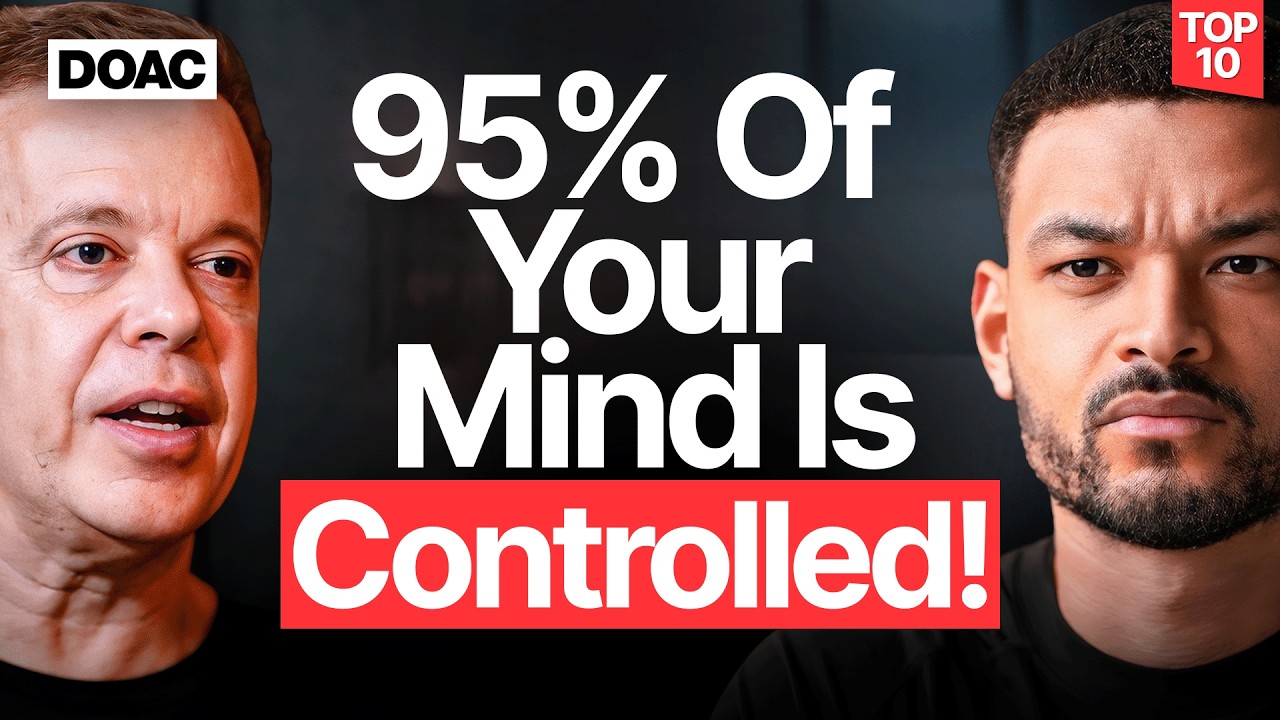
In a wide-ranging conversation with Steve Bartlett on The Diary of a CEO, Ivanka Trump reflects on the unusual pressures of growing up in one of America’s most recognizable families, the work ethic she built in business, and why she chose to step away from government after four years in the White House.
The discussion moves from childhood memories of Ivana Trump and a deeply loved grandmother to negotiations, fashion, political scrutiny and the 2024 assassination attempt on Donald Trump. Across each chapter, Ivanka returns to a core idea: clarity about who you are matters more than reacting to outside noise.
If you know what you stand for, then it really is just noise.
— Ivanka Trump
A childhood shaped by attention
Trump says she learned early that wealth, fame and a family name could complicate trust. As a child, she worried whether people liked her for who she was rather than for the family she came from, a concern she now recognizes in her own son.
She describes building a protective guard that helped her avoid being disappointed by close friends during periods of intense public turbulence. But with time, she says she had to deliberately become more open—accepting that trust carries the possibility of being hurt, but is essential for meaningful connection.
The only way to have connection, which is so fundamental to the human experience, is to build it—and that requires trust.
— Ivanka Trump
One surreal memory captures the disconnect between her public and private childhood: Michael Jackson, then a neighbor in Trump Tower, attending her Nutcracker performance after Donald Trump invited him. What could look glamorous in retrospect felt mortifying to an eight-year-old Ivanka, who believed the attention had disrupted the performance.
Behind that spectacle, she describes a more grounded home life shaped by her grandmother, who cooked family meals, cared for her after school and expressed love through food and daily tenderness.
She taught me so much just about love and… connection.
— Ivanka Trump
Ivana Trump’s lasting influence
Trump portrays her late mother, Ivana, as a trailblazing figure who combined ambition, glamour and resilience with motherhood. Rather than pretending to manage everything alone, Ivana created a support system of family members and longtime caregivers who became part of the household.
She recalls a mother who was present at meals but relentlessly focused on building, designing and pursuing professional goals—an example that expanded Ivanka’s sense of what was possible for women.
She made it look incredibly easy, but it was and continues to be very challenging to balance work and life like that.
— Ivanka Trump
After Ivana’s death, Trump says she began to understand her mother more fully by exploring the parts of her history she had not asked about when she was younger, including her upbringing in communist-era Czechoslovakia. Her advice is straightforward: ask relatives questions while you still can.
Really ask the questions—especially if people are a bit of a vault.
— Ivanka Trump
The divorce of Donald and Ivana Trump, when Ivanka was nine, became another defining source of public scrutiny. She recalls reporters outside her school, headlines about her parents’ separation, and the shock of seeing a newspaper image of her parents with a rip down the middle before the family could speak to her about it.
Yet she also sees a lasting positive: she and her siblings became more closely bonded by going through it together.
Using underestimation as leverage
Trump says she entered real estate facing two assumptions: that she would be handed opportunities because of her parents, or that she would lack the drive and preparation to earn them. She chose to use both as fuel.
Being underestimated is not a bad thing. I think it’s a very powerful thing, actually.
— Ivanka Trump
As a young woman in development, construction, acquisitions and finance—areas she says had few female peers—she made over-preparation her advantage. Her approach was simple: if someone assumed she was unready, she would ensure they were the less-prepared person in the room.
If you’re somebody who’s prepared and somebody underestimates you, well, guess what? They’re not.
— Ivanka Trump
Her negotiation philosophy also centers on listening. Rather than treating every deal as a price contest, she argues that the strongest outcomes come from understanding what the other side considers a win. Silence, she says, can help reveal that information, while authentic relationships can create more durable partnerships.
Make sure you understand what the other person wants, because you may be able to give it to them at very little cost—and then everyone’s happy.
— Ivanka Trump
When hiring, Trump says she prioritizes agency, judgment, emotional intelligence and character over credentials alone. She tells her children that the thing most likely to impress her is not a trophy or grade, but being a good person.
Why she closed an $800m business
Before entering government, Trump built a fashion and accessories company spanning 11 categories, including jewelry, apparel, footwear, fragrance and sunglasses. She says the brand was designed for women who wanted accessible workwear that could also carry them into their evening lives.
At its height, she says the business was generating close to $800 million in annual sales. Yet after Donald Trump won the presidency, she chose to wind it down in order to comply with government ethics requirements and join the administration.
I thought it would be easier to end on a high note than to allow the business to sort of stagnate.
— Ivanka Trump
Trump says she had not planned to serve in government. But when her father asked her and Jared Kushner for help navigating Washington, she could not reconcile refusing with the person she wanted to be decades later.
He asked us for help… and I feel incredibly privileged that he gave us the opportunity to serve a country we love so much.
— Ivanka Trump
She describes the 2016 campaign as an intense, disorienting shift for the family—Donald Trump’s first run for office was a presidential campaign, rather than a gradual political ascent. At the same time, travelling the country expanded her view beyond the social and cultural assumptions of New York.
His campaign… ripped it open for me and I realized the bubble that I was in.
— Ivanka Trump
Service, sacrifice and a decision not to return
Trump says she left her White House role proud of her work and without regrets, citing efforts around the child tax credit, paid family leave for federal employees, workforce training, apprenticeships, career and technical education, human-trafficking legislation and the Great American Outdoors Act.
But she is clear that the work came at a personal cost. Her children are older now, and she says the limited time before they leave home has made her priorities unambiguous.
My first responsibility is to be their mom.
— Ivanka Trump
She rejects what she calls “PTOIC fever”—the urge to remain around political power after serving in high office. Her decision, she says, is not driven by resentment over the experience but by family and timing.
I’m not willing to let them pay that price.
— Ivanka Trump
A response to danger and public scrutiny
The conversation returns repeatedly to Trump’s response to intense public criticism. She describes learning to “find the signal in the noise,” refusing to spend her attention in the “nasty swirl” of online combat, and using intentionality as a filter for decisions, relationships and work.
Her reading of Stoicism, including Marcus Aurelius, informs this approach. The test is whether a choice aligns with her values and whether the emotional cost is worth paying.
The cost to me of living in a way that’s inconsistent and not aligned with what feels right… it’s too expensive for my soul.
— Ivanka Trump
Trump also recounts learning about the assassination attempt against her father in July 2024 while at Bedminster, New Jersey. Watching events unfold almost in real time, she says her first instinct was to turn her children away from the television screens.
She remembers feeling frightened, protective and relieved when Donald Trump later returned from the hospital. Rather than allowing the experience to harden her outlook, she frames it as a reminder of life’s fragility—especially after the deaths and health scares her family has endured.
In life, you have a choice only in how you respond.
— Ivanka Trump
For Trump, the answer is to recommit to love, connection and presence. The public pressures surrounding her family have been extraordinary, she says, but her response is rooted in the same private priorities that run through the whole conversation: protect the people you love, do work with intention and do not let the loudest voices define you.
This recap is based on Ivanka Trump’s appearance on the Diary of a CEO podcast. For the full episode, click on the YouTube link at the top or listen wherever you get your podcasts.