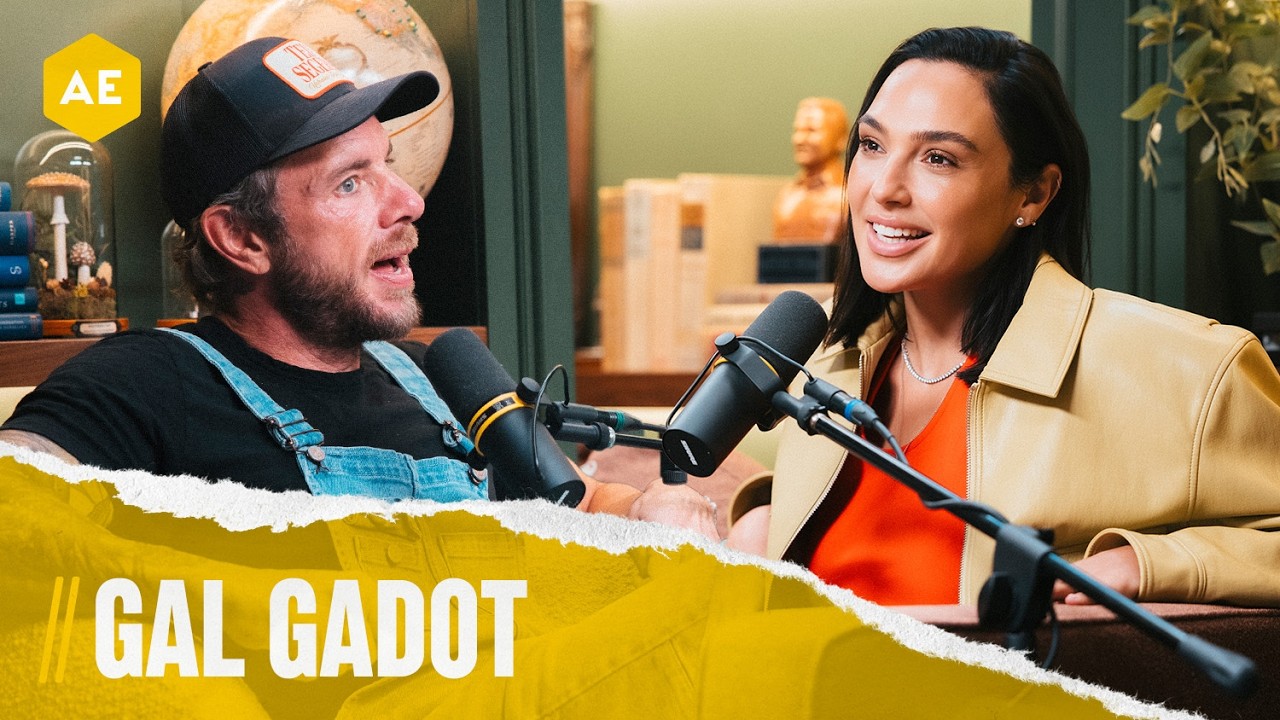
Rafa Nadal Opens Up on Retirement, Rivalries, and What Comes Next


In a rare, candid conversation on the Served podcast, Rafael Nadal sat down with Andy Roddick to reflect on his final year on tour, the emotional weight of retirement, and the chess matches that defined tennis’s golden era.
Recorded at the Zel Resort in Punta Cana, Dominican Republic, the interview marked one of Nadal’s first extended reflections since stepping away from professional tennis. What emerged was a portrait of a champion still processing the end of a career that redefined what was possible on a tennis court — and a man surprisingly at peace with what comes next.
The Decision to Stop
Nadal revealed that the final call came after the 2024 Paris Olympics, when he realized he could no longer compete at the level that motivated him.
After the Olympics, I came back home and I said, okay, it’s over. I feel it. You know, before I didn’t feel it, but I wanted to give myself the time.
The physical toll had become unsustainable. A foot injury that first surfaced in 2005 had evolved into a chronic condition that limited his ability to train with the intensity he demanded of himself.
When you have limitations all the time, then you start feeling, ‘Okay, how I beat this guy?’ How I beat this? Take risks that you wouldn’t normally take or make decisions you wouldn’t normally make.
Nadal described the mental exhaustion of constantly managing pain and limitation — a far cry from his earlier career, when injuries were temporary setbacks rather than permanent constraints.
The Olympic Torch Moment
One of the most emotional highlights of the conversation was Nadal’s recollection of carrying the Olympic torch alongside Zidane at the Paris 2024 opening ceremony — a surprise assignment kept secret until moments before.
When I realized the moment, I started to cry a little bit. And when I started to cry, I said, ‘Shut up, man, stop it. It’s not the moment to cry. It’s the moment to enjoy.’
He called it one of the most emotional moments of his career — a recognition not just of his achievements, but of his connection to France, where he won a record 14 Roland Garros titles.
To feel the love of the people and the support of the people in the most important place in my career is something that makes me feel very proud, very happy.
On Federer, Djokovic, and the Rivalry That Defined an Era
Nadal offered thoughtful reflections on his two greatest rivals, breaking down the strategic chess matches that played out over nearly two decades.
Against Federer, he said, the strategy was clearer:
I was trying to kill his backhand all the time… And he was trying to avoid that. He was trying to play more aggressive.
But against Djokovic, the dynamic shifted:
Against Novak, I don’t have that feeling [of a clear strategy]. I know the feeling is, ‘I need to play very well for a long time.’ I can’t play too many times against his backhand, especially high balls, because then he takes the ball quicker and puts you in a very difficult position.
He praised Djokovic’s ball control as the best he’d ever seen:
I think he’s the best I ever played and I ever saw.
And on Federer’s serve?
With the Roger serve, it was very difficult to read because he was able to change — he could hit seven different serves off of the same toss.
Grass: The Surface That Got Away
Perhaps the most surprising revelation: Nadal considers grass his second-best surface, ahead of hard courts.
My second-best surface was grass, I think. The problem is my knees were not holding. I was not able to slow down.
He explained that knee issues prevented him from playing on grass for several prime years (2012–2016), a gap that still pains him.
For me, it was painful because I felt that my chances were bigger if I was healthy enough on grass.
Life After Tennis
Retirement hasn’t meant rest. Nadal is deep into business ventures, including his first hotel outside of Spain, and continues to expand the Rafa Nadal Foundation, which serves over 10,000 children across Spain.
People who were lucky enough like us, that we had a good life and were able to follow our dreams, I think we have a responsibility to give back.
He spoke proudly of the foundation’s impact, describing it as one of the things he’s most proud of in his life.
We try to show them another reality… to give them the possibility to see another thing than what they are used to see in their daily lives at home.
The Next Generation
When asked about young players like Carlos Alcaraz and Iga Świątek, Nadal expressed pride in seeing his values reflected in the next generation.
I think Carlos is a great kid, great guy, with a very good family behind him, with positive values. They are humble, they are good persons.
He emphasized the importance of the rivalry dynamic he shared with Federer and Djokovic — fierce competitors who never lost mutual respect.
You don’t need to hate the opponents. You can respect, you can appreciate the opponent, because at the end they are an important part of your life.
A Lingering Image
One detail from the interview stood out for its humanity: Nadal revealed that for a month after his final Davis Cup match, he could barely walk. His toddler son began imitating his pained walk down the stairs, sidestepping and groaning — thinking that’s just how adults walk.
He was like, ‘Ah, ah, ah’ — one and a half years old, just imitating him because he thought, ‘Oh, if my dad walks down the steps like that, I guess I have to do that all the time.’
It’s a small moment, but it captures the transition Nadal is now navigating: from warrior to father, from competitor to mentor, from legend to — as he’s discovering — something quieter, but no less meaningful.
This recap is based on Rafael Nadal’s appearance on the Served with Andy Roddick podcast. For the full episode, click on the YouTube link at the top or listen wherever you get your podcasts.